
The Power of UX Design for Your Product and Business
Why UX is the indispensable link between what users need and what your business wants to achieve.

UX, if you work with software, you've probably heard the term before. Or do you already know exactly what it means? In this article we explain what UX is and how you can use it to achieve your business goals. We'll tell you one thing up front: UX is an indispensable link.
The added value of UX
Whether you have a brilliant idea for a new product or want to put an existing product through the car wash, it will only be a modest success if you leave user experience (UX) out in the cold. Every interaction with your product creates an experience, and you want to make that as optimal as possible for your target audience. UX designers are there to make those experiences as good as they can be.
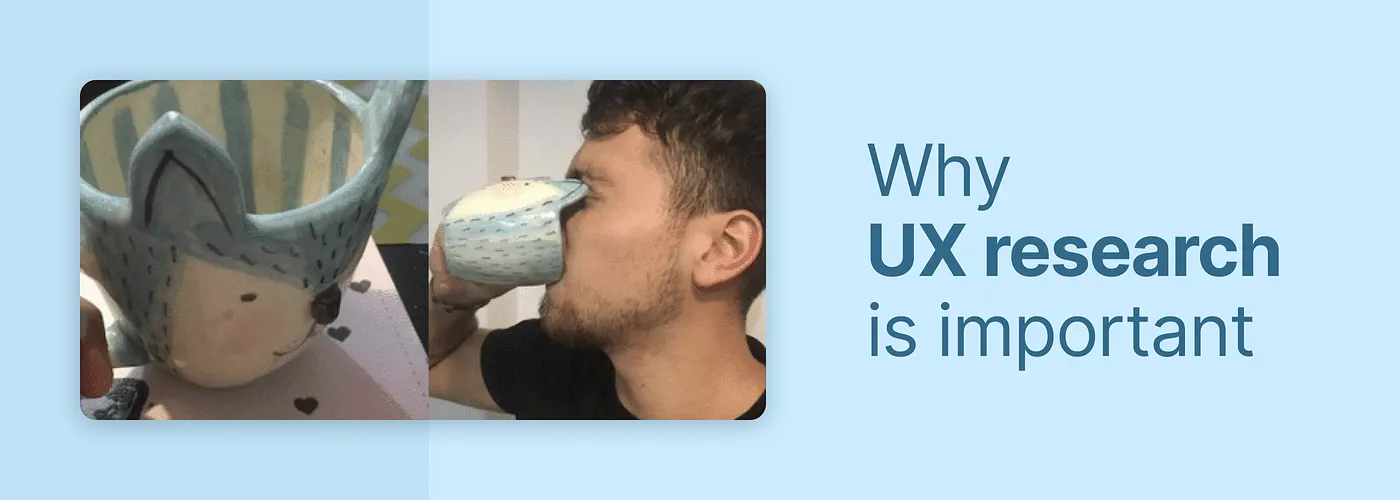
Imagine you've invented a revolutionary pair of AR glasses, and you need software, because without software there are no working AR glasses. So you go looking for a suitable partner to build that software for you. Right? You start with a mission: to make the whole world happy with your AR glasses.
Knock, knock. Who's there? Here comes UX, right around the corner.
You have a mission (namely: conquering the world with your AR glasses), but you also have to deal with the potential buyers of your product: your target audience, or the "user."
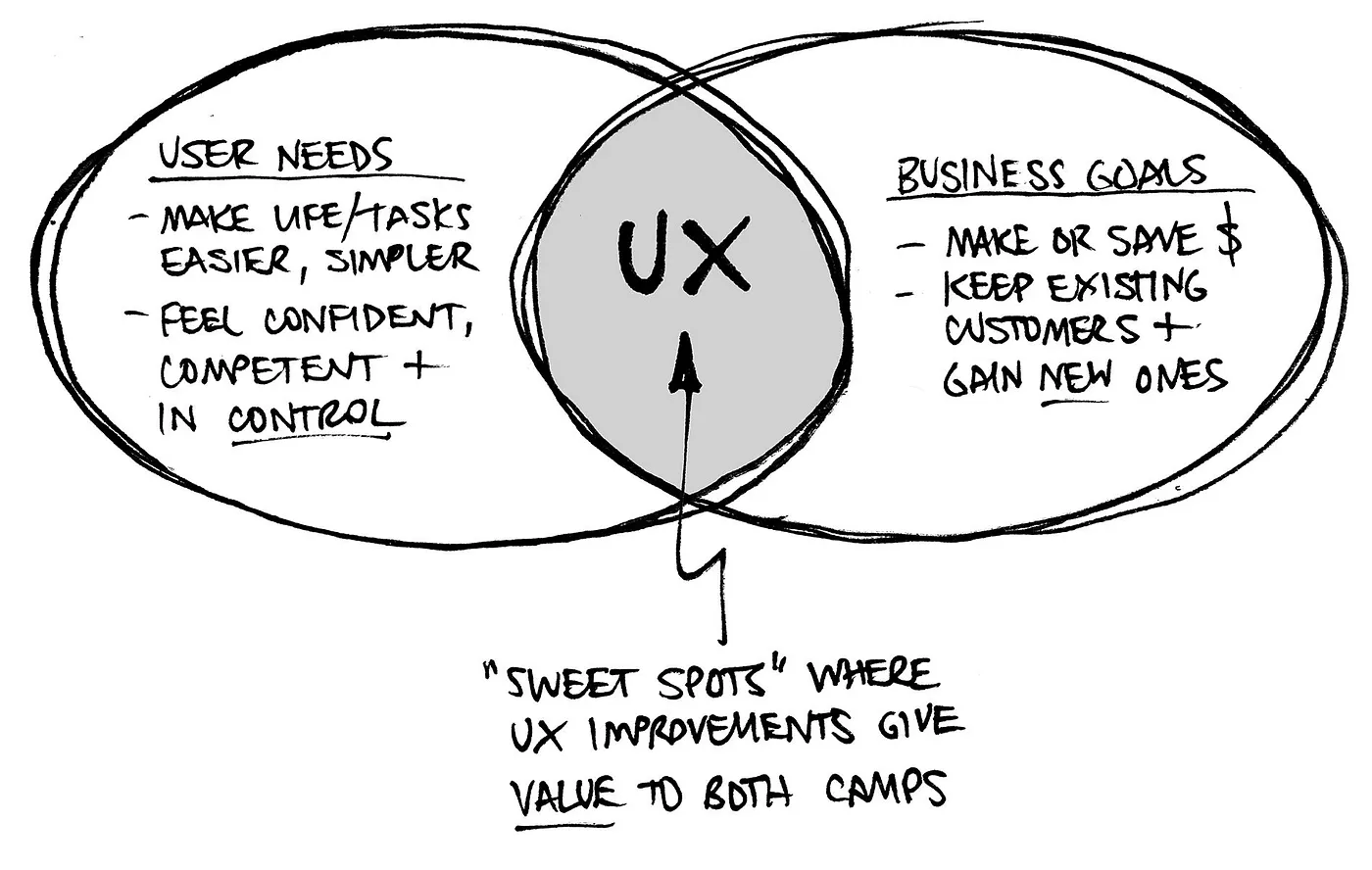
UX designers have the task of mapping out and connecting user needs and business goals, so that a product emerges that makes both parties happy. In the case of the AR glasses, the target audience could be made up of people who want to use them for entertainment, study, or work.
Activities and the UX process
A UX designer's work can be very diverse: from helping define the product vision to designing and testing prototypes. There are various methods you can use for this, developing a product vision canvas, observing your target audience, conducting interviews, and running user tests based on prototypes you've built. In some cases, the UX designer also designs the complete look of the application: the user interface (UI).
Every product and development process is different, but the UX process below is generally followed to arrive at a successful product. This doesn't have to be a linear process, steps can be repeated to make the product fit the needs of the audience and the business better and better. This way of working is also called Agile, in which agility takes center stage.
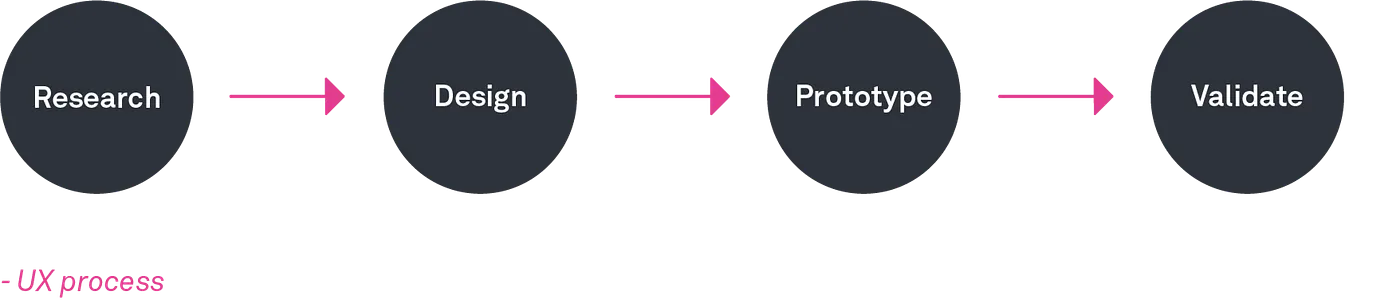
The goal of the first step, the research phase, is to gain insight into the target audience: their behavior, needs, and pain points. Popular methods for uncovering this are user interviews, in which UX designers talk directly to end users, and observing the target audience. Other research methods include surveys, A/B testing, card sorting, and eye-tracking. Insights are drawn from all of these results and used for product development. For each project you choose one or more methods that are useful for that specific project.
The research phase is also the most important step. It's your source of information for the steps that follow: design, prototype, and validation. In these three steps you create designs that you test with the target audience. By iterating (repeating), you get closer and closer to the ideal solution.
Once you reach the design phase, it's important to test your ideas with your target audience as quickly as possible, so you waste as little time as possible. You can already do this with rough sketches ( low-fidelity wireframes ) of your application.
The big picture
It's valuable to keep the complete picture in view throughout the entire development process. Constantly ask yourself what the ultimate goal is: Why are we doing this? "We want to make AR glasses that make people all over the world happy." From there you add more and more detail: you define product goals that should help your mission succeed.
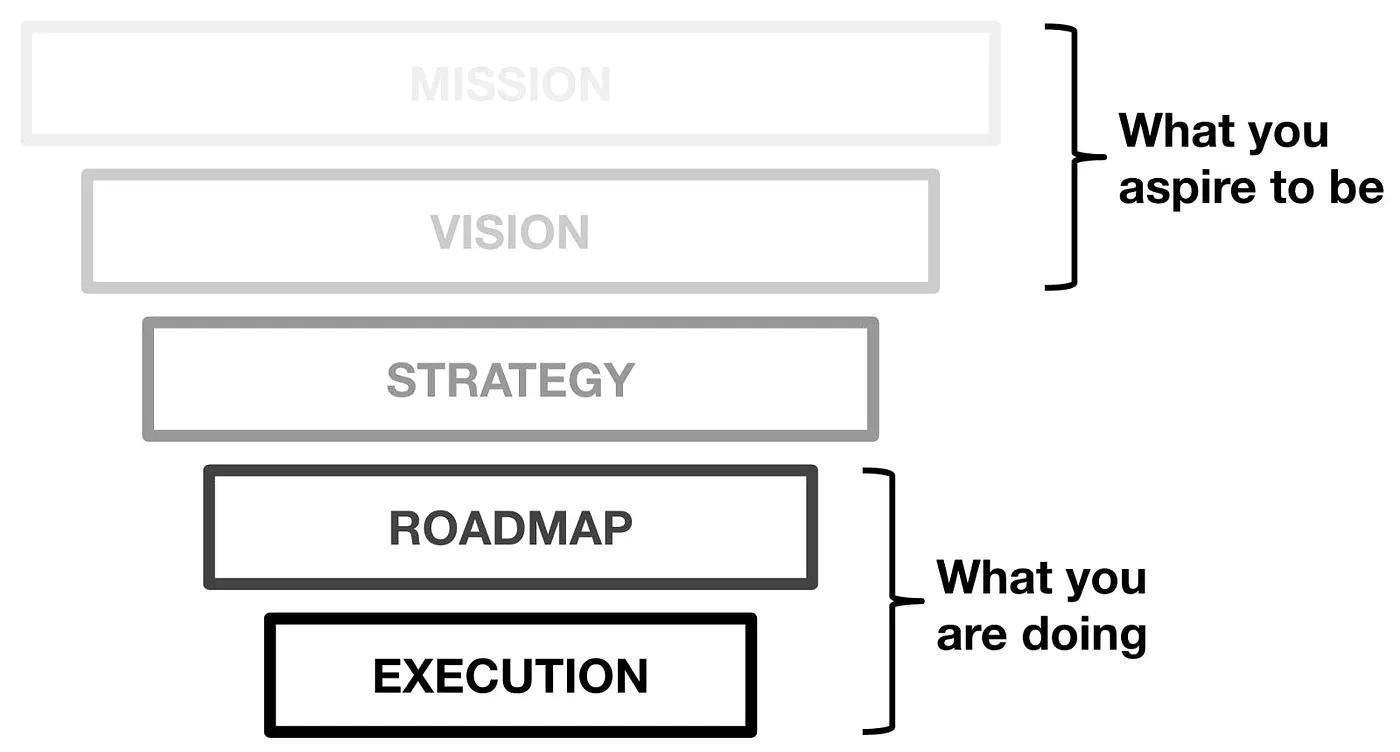
You make your product goals SMART (Specific, Measurable, Achievable, Realistic, and Time-bound), then build a plan (a roadmap), and finally write user stories. For example: "As a user, I want to be able to turn the AR glasses on and off by blinking." Always consider what value this brings to the end user, and how it contributes to greater success for both the AR glasses and your business.
Let's at least make sure your product doesn't end up like these two lonely slides:

They're there, but they never get used, because the alternative is experienced as better.
We hope this article has given you some insight into the value and role of UX within projects and product development. At ihomer, we apply UX design every day to make projects succeed. We do this in sectors including electric mobility, healthcare, the financial sector, and customs.
If you'd like to learn more about UX, or have an idea you'd like to talk through, feel free to get in touch. Call +31 88 4466 300, email info@ihomer.nl or contact us here.